
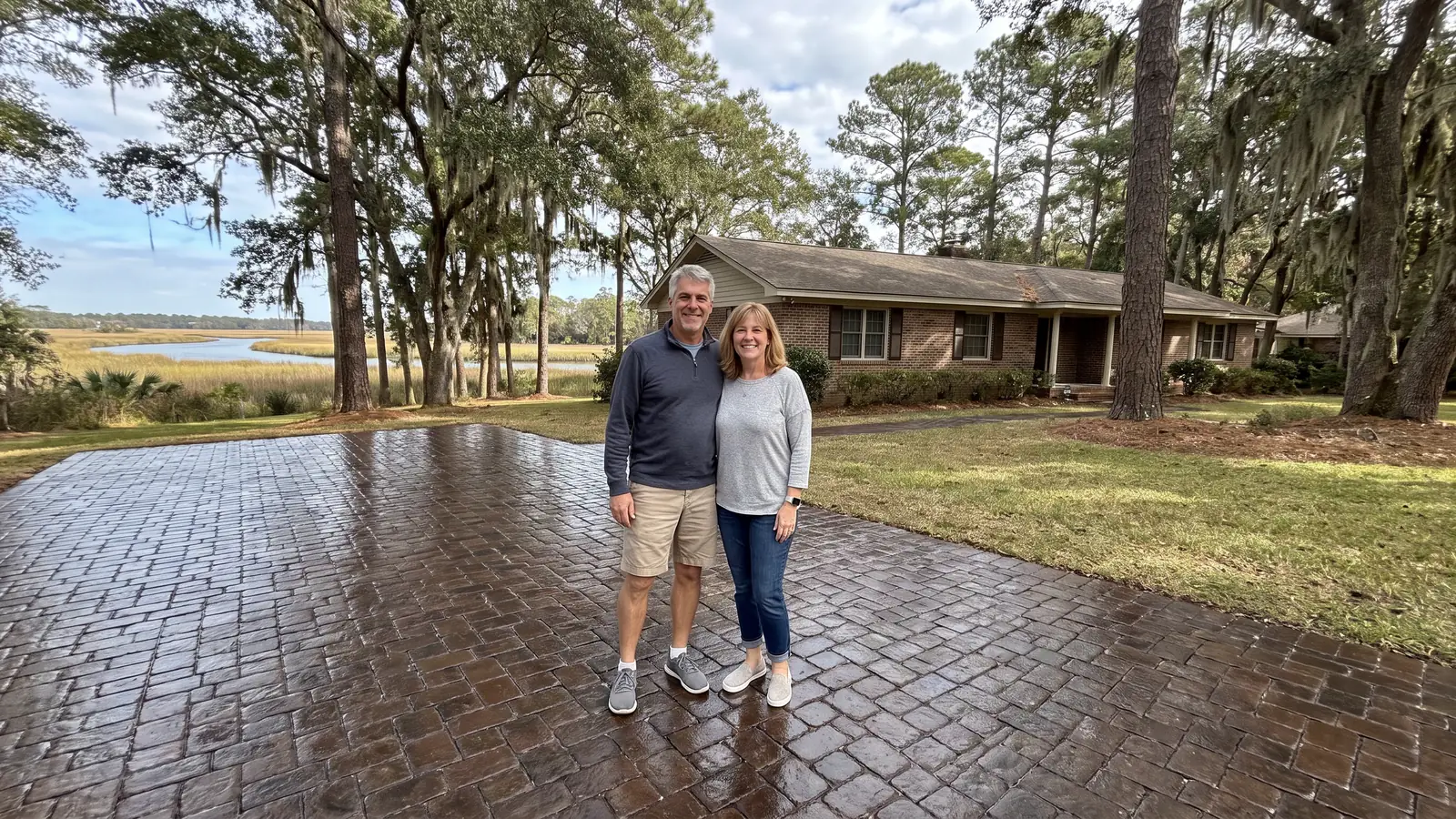
Protect brick pavers from rain and fading
Brick Paver Sealing in Fort Caroline, FL
Call (904) 637-8112 for a free estimate to seal the brick pavers at your Fort Caroline home.
- Brings out deeper paver color
- Fresh joint sand helps lock pavers in place
- Gives weeds less room to grow
- Makes the surface easier to keep clean
- Free estimate, no obligation
Request a Free Estimate
Free, no obligation.
Who can seal brick pavers at my Fort Caroline home?
A local contractor can seal brick pavers at your Fort Caroline, FL home, and the first reply comes inside 1 business day, frequently sooner. The visit and estimate are free, and you decide whether to book. To get on the schedule, call (904) 637-8112.
Brick looks rich when it is new and tired when it is not. Rain, shade and river air can leave it chalky, mossy and thin on sand between the courses. A sealer picked for brick evens the tone, slows water from soaking in and keeps the joints tight. To have a contractor test a few pavers, book your free estimate.
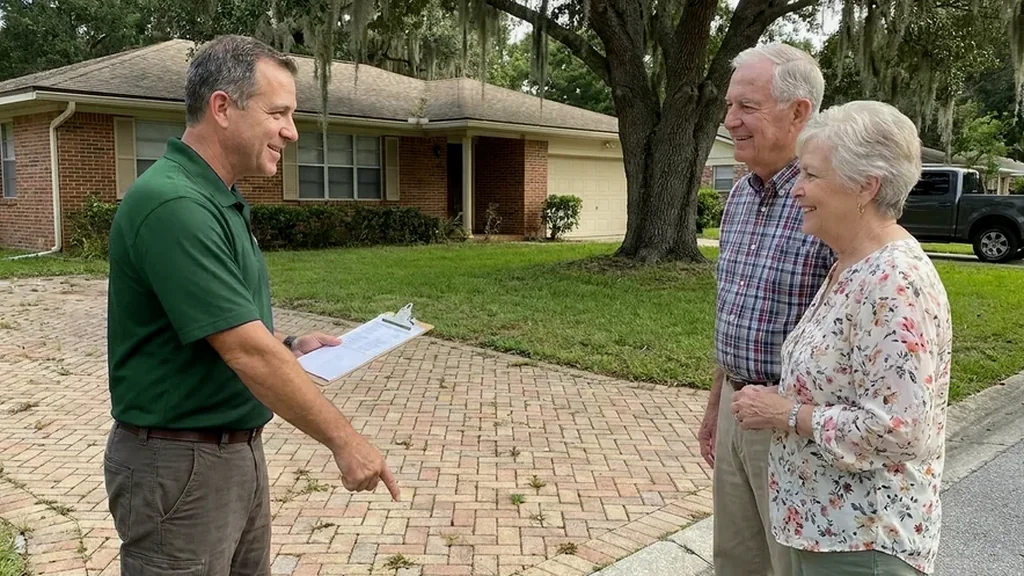
Which sealer is right for brick pavers?
It depends on how the brick was laid and how thirsty it is. A sealing guide says water-based sealer suits porous brick and pavers laid with joint sand, hardening the sand with no wet look. Solvent-based sealer darkens the surface and gives a wet look but does not harden sand. To go over which fits yours, call (904) 637-8112.
A third group is penetrating sealers. Drylok says silane and siloxane products react inside the pores of brick and pavers to form a barrier. They are close to invisible and keep the natural look. Ask the contractor which family is in the quote, and book your free estimate to compare samples.
Will sealing change how my brick looks?
Often a little, and sometimes a lot. A sealing guide says sealer makes pavers look darker as it goes on, and solvent products darken more. Unilock says a natural look stays closest to the unsealed color while a wet look deepens it. Test one loose paver first so you see the result before the whole patio changes. To ask for that test, call (904) 637-8112.
Why does the brick sealing process need extra checking first?
Unilock says brick and natural stone absorb sealer at different rates, so each product needs checking for suitability. Too much on a thirsty brick can trap moisture, and a whitish film can form if the brick was damp. A small test corner shows trouble before it spreads. For a test on your pavers, book your free estimate.
Another reason is the pavers' history. A coat that was put on years ago may not mix with a new one. A Jacksonville company says old peeling sealer must be stripped before resealing. Tell the contractor what you remember about the last coat when you call (904) 637-8112.
What does brick paver sealing cost in Fort Caroline?
No published page found lists a separate brick rate, so this table is built from published pieces. One Jacksonville company starts cleaning at $0.22 per square foot and sealing at $1.90, and Northeast Florida companies publish $1.75 to $3.25 for the full clean, sand and seal. Brick that needs stripping or leveling costs more. For a price on your own brick, book your free estimate.
| Brick area | Typical spot | Cleaning from $0.22 | Sealing from $1.90 | Full clean, sand and seal |
|---|---|---|---|---|
| 250 sq ft | Front walk and entry court | $55 | $475 | $438 to $812 |
| 500 sq ft | Back patio | $110 | $950 | $875 to $1,625 |
| 800 sq ft | Driveway | $176 | $1,520 | $1,400 to $2,600 |
| 1,200 sq ft | Driveway plus patio | $264 | $2,280 | $2,100 to $3,900 |
The starting rates come from one Jacksonville company page and the full range from published Northeast Florida prices, read in November 2026. They are published figures and not a quote for brick, so your price may be higher or lower.
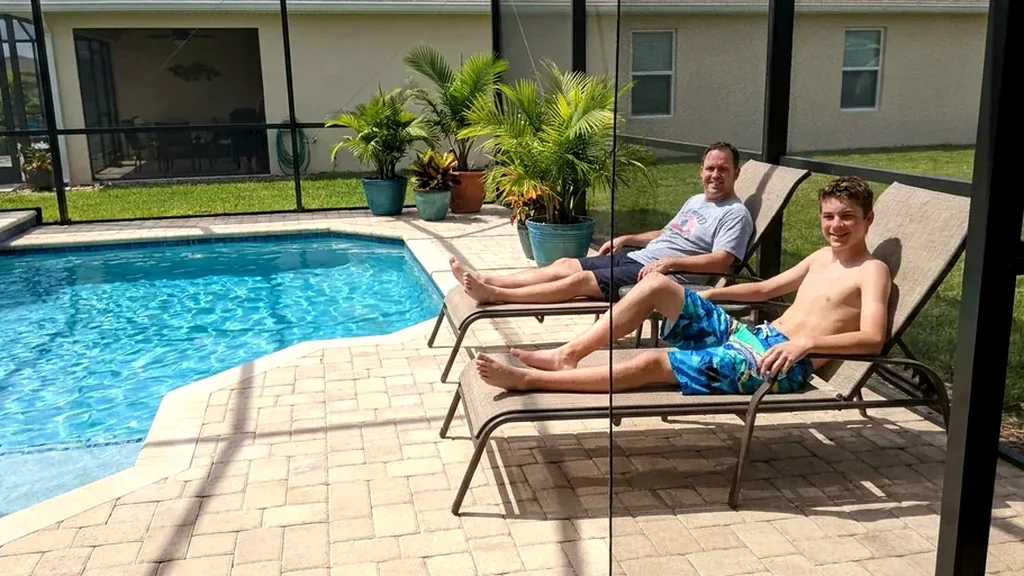
Is the white powder on brick pavers a problem?
The white powder is efflorescence, and Drylok says it forms when water evaporates and leaves mineral deposits on the surface. Unilock says on new pavers it can clear in 2 to 3 months, or take up to a year, and sealing should wait until it is completely gone. Treating it before the coat goes on keeps it from being sealed in. To have a patch looked at, call (904) 637-8112.
A coating company notes that a penetrating sealer helps cut efflorescence over time. Drylok says its siloxane product minimizes it with one application. Either way, the bricks must be dry first. Describe where you see the powder when you book your free estimate.
What does unsealed brick do in wet Florida weather?
Drylok says unsealed brick absorbs water, and that water can weaken the brick and the mortar. A Jacksonville sealing company says unsealed pavers fade over a few summers. Fort Caroline gets humid air off the river, so brick in shade stays damp longer and turns green sooner. To keep ahead of it, call (904) 637-8112.
Sealed brick is not maintenance free. A Jacksonville company says sealed pavers still need resealing, though spills clean up more easily. A yearly rinse and a recoat every few years keep the look. To plan the schedule, book your free estimate.
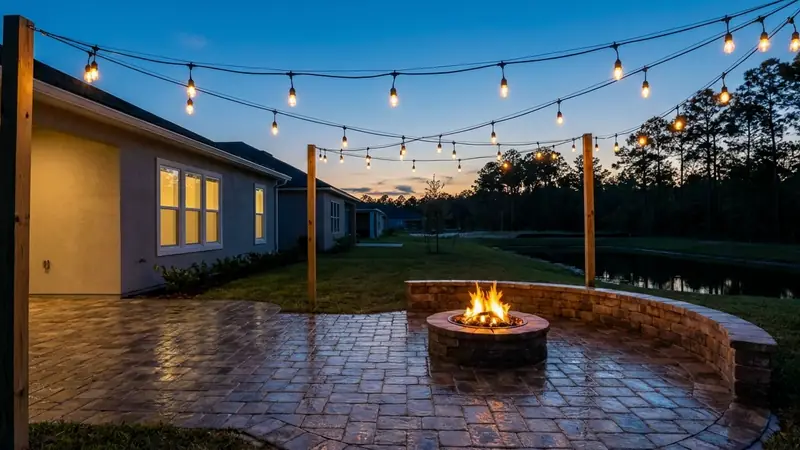
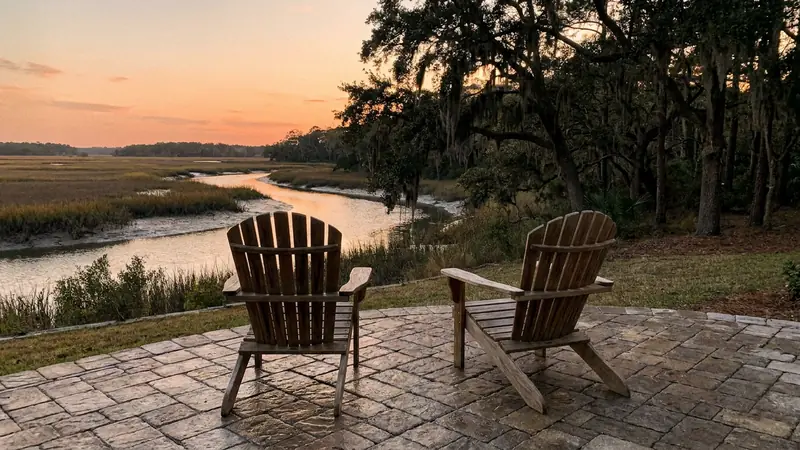
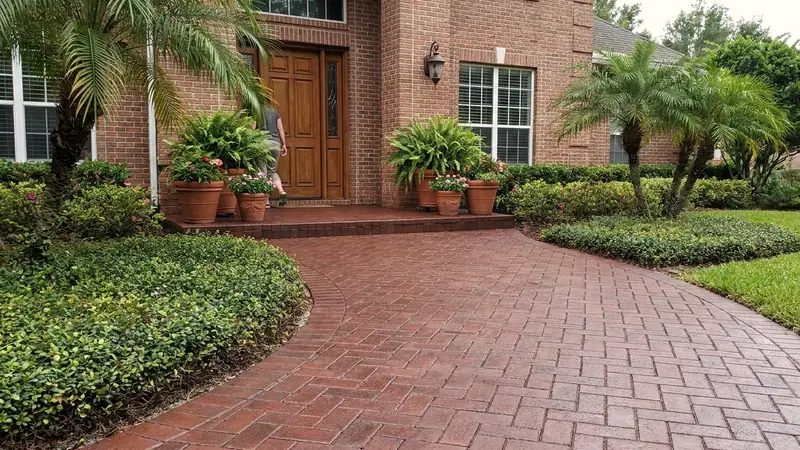
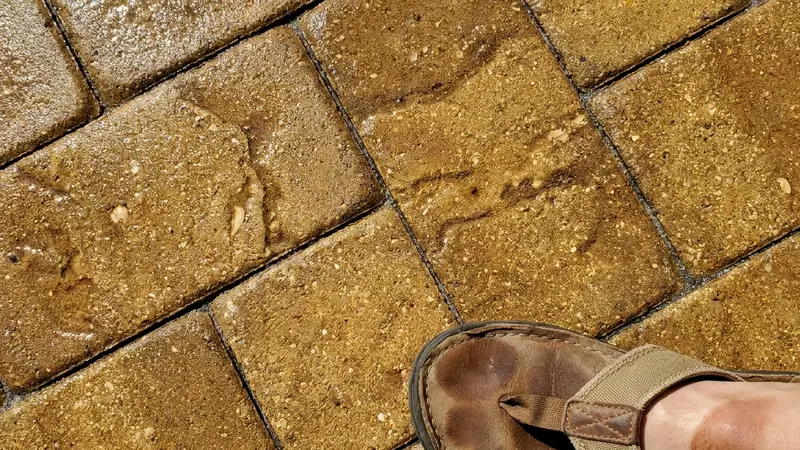
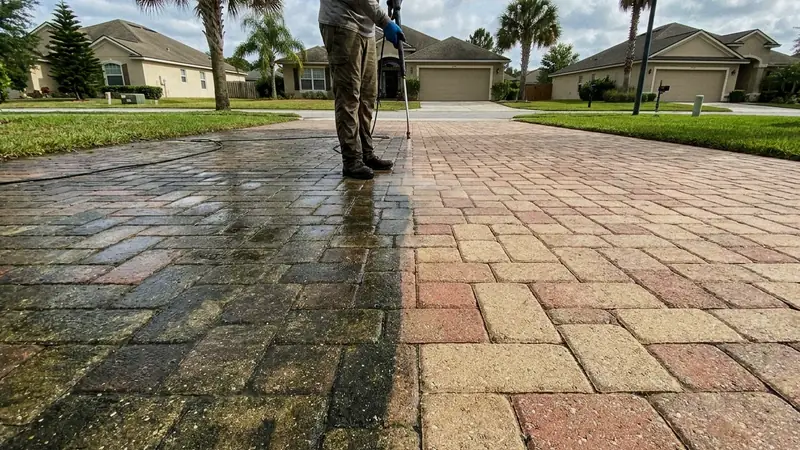
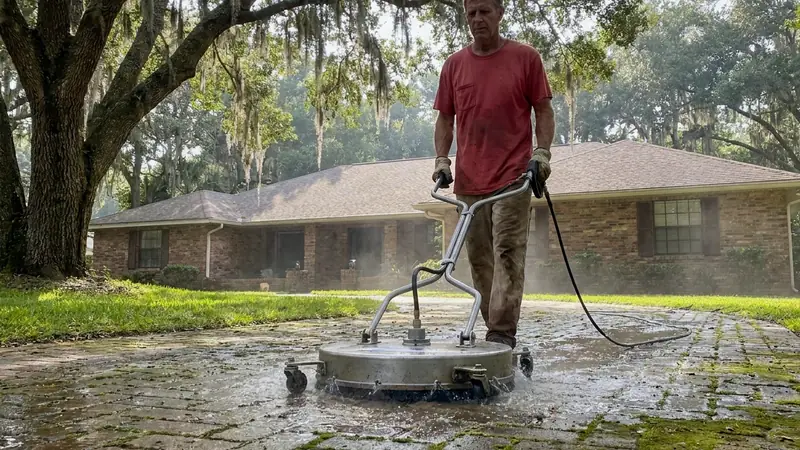
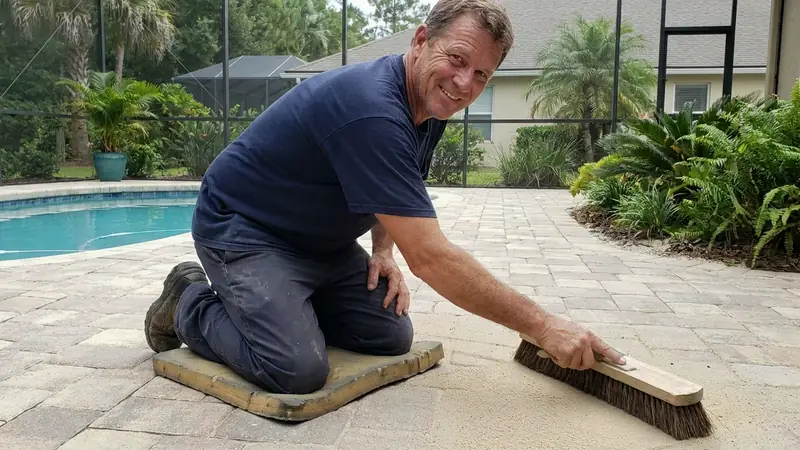
Which brick paver jobs look good after sealing near Fort Caroline?
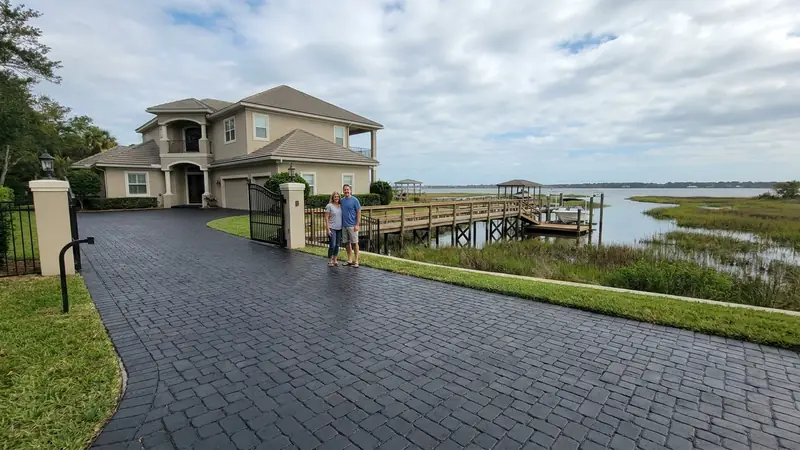
How often should brick pavers be resealed in Fort Caroline?
Three to five years is the common range, Unilock and Nicolock both say, and a Jacksonville company says a professional coat lasts 2 to 5 in Northeast Florida. A brick driveway in full sun sits near the short end and a shaded walk near the long end. A recoat is due when water stops beading. To have a coat checked, call (904) 637-8112.
New brick needs patience. Nicolock says to wait 6 to 12 months after installing pavers, while Unilock names 60 to 90 days. Hold off longer if the powder is still showing. Give the install date when you book your free estimate.
Which neighborhoods near Fort Caroline can get brick paver sealing?
Each place below has its own page and can ask for a free estimate. If your street is not named, call (904) 637-8112 and ask.
Frequently Asked Questions
How to seal your brick pavers?
A contractor handles it in a set order. The pavers are cleaned and left to dry for at least 24 hours, the joints are filled with sand and the sealer goes on in thin coats. The sealer must suit the brick, since water-based products suit porous brick laid with sand and solvent products darken the surface. Ask which one is in your quote.
How long do paver sealers last on brick?
Three to five years is the common span, Unilock and a second company both say. A Jacksonville company says a professional coat holds 2 to 5 years in Northeast Florida. Penetrating sealers work inside the brick instead of sitting on the surface, and a recoat is due when water stops beading.
Why is paver sealing so expensive when the pavers are brick?
Brick takes careful prep and a matched product. Unilock says brick and natural stone absorb sealer at different rates, so the product has to be checked and tested. Add cleaning, a dry day and joint sand, and the labor outweighs the material. A bid with no prep line usually skips it.
Do I need to seal pavers in Florida if they are brick?
Not by law, but unsealed brick takes in water. Drylok, a coatings maker, says unsealed brick absorbs water that can weaken the brick and the mortar. Florida rain and humidity give brick plenty of water to absorb. A sealer that works inside the pores slows that down.
What is the white powder on my brick pavers?
That is likely efflorescence. Drylok says it forms when water evaporates and leaves mineral deposits behind, and Unilock says it can take 2 to 3 months, or up to a year, to fade on new pavers. It should be gone and dry before any sealer goes on.
Will sealer change the color of my brick?
It can. A sealing company says solvent-based sealer darkens pavers and gives a wet look, while a water-based product gives no wet look or darkening on porous brick. Unilock advises testing a small corner first. Ask the contractor to coat one loose paver and let it dry.
Can brick pavers near the river in Fort Caroline be sealed?
Yes, and the humid air is one reason owners do it. The pavers must be fully dry before the coat, so a contractor may wait out a wet spell. Drylok says to apply sealer when air and surface temperatures are 50 degrees or higher.
Is a brick driveway sealed differently from a brick patio?
The sealer can be the same, and the wear is different. A driveway takes tires and oil, and a patio takes furniture feet and shade. A Jacksonville company notes that full sun wears driveways faster than shaded patios. The contractor may pick a different finish for each area.
Ready to protect the brick at your Fort Caroline home?
Phone or use the short form, and watch for an answer inside 1 business day, usually much sooner.
Free, no obligation