
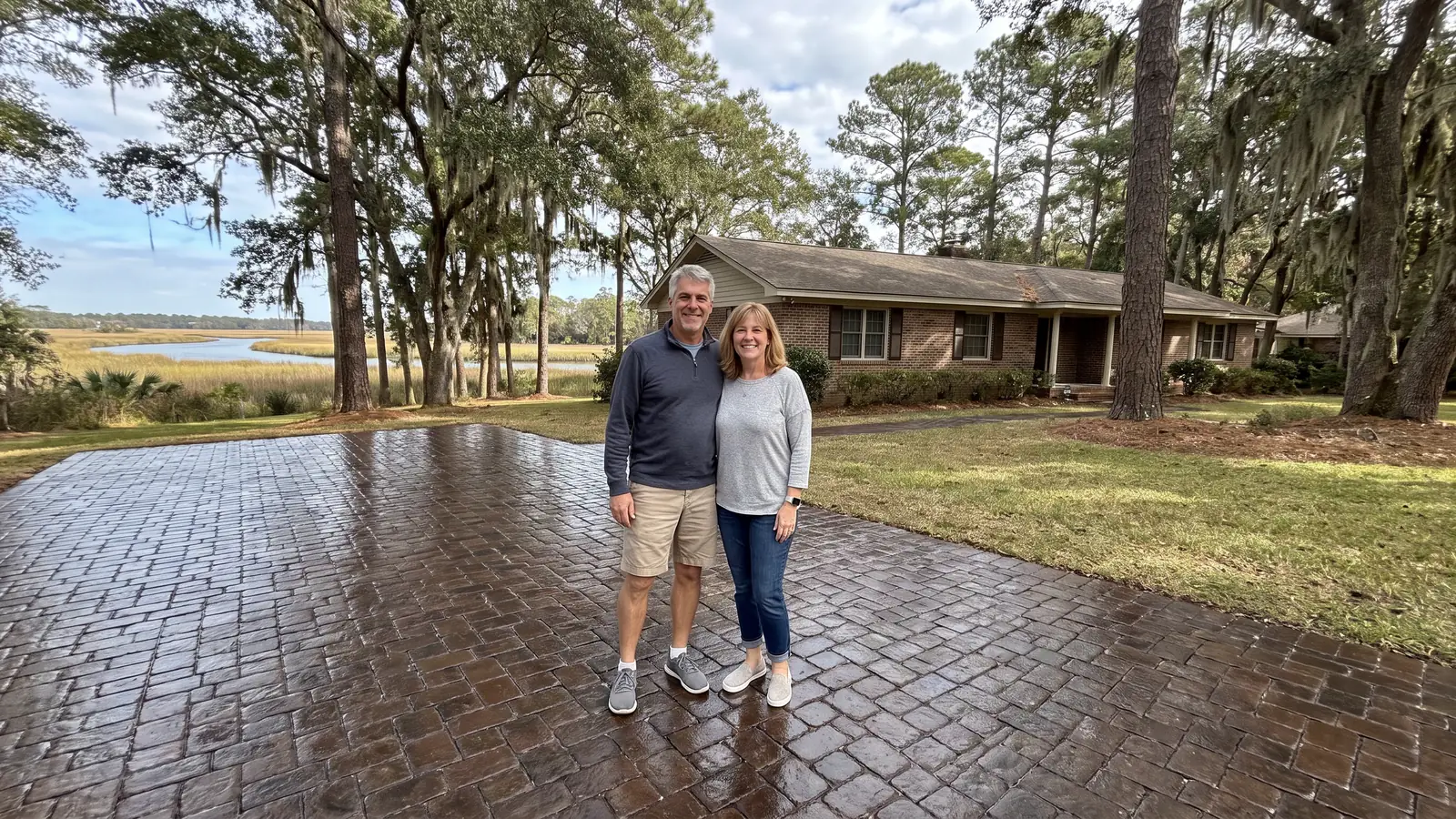
Paver sealing for San Marco homes
Paver Sealing in San Marco, FL
San Marco's homes span a century of styles; call (904) 637-8112 for a free paver sealing estimate.
- Brings out deeper paver color
- Fresh joint sand helps lock pavers in place
- Gives weeds less room to grow
- Makes the surface easier to keep clean
- Free estimate, no obligation
Request a Free Estimate
Free, no obligation.
Fast, careful paver sealing in San Marco
Paver sealing in San Marco is available for driveways, front walks and courtyards, from the blocks around San Marco Square to Colonial Manor and South Riverside. A local contractor cleans, re-sands and seals the pavers, and the estimate is free. Once you book your free estimate, a local contractor replies within 1 business day, usually much sooner.
Maybe the warm-toned pavers by your front door have faded, and joint sand has washed out near the gutter. A wash, fresh sand and a coat can bring back an even color that suits an older house. Maybe a courtyard behind the house has gone green where the sun rarely reaches. Call (904) 637-8112 and describe the spot that bothers you the most.
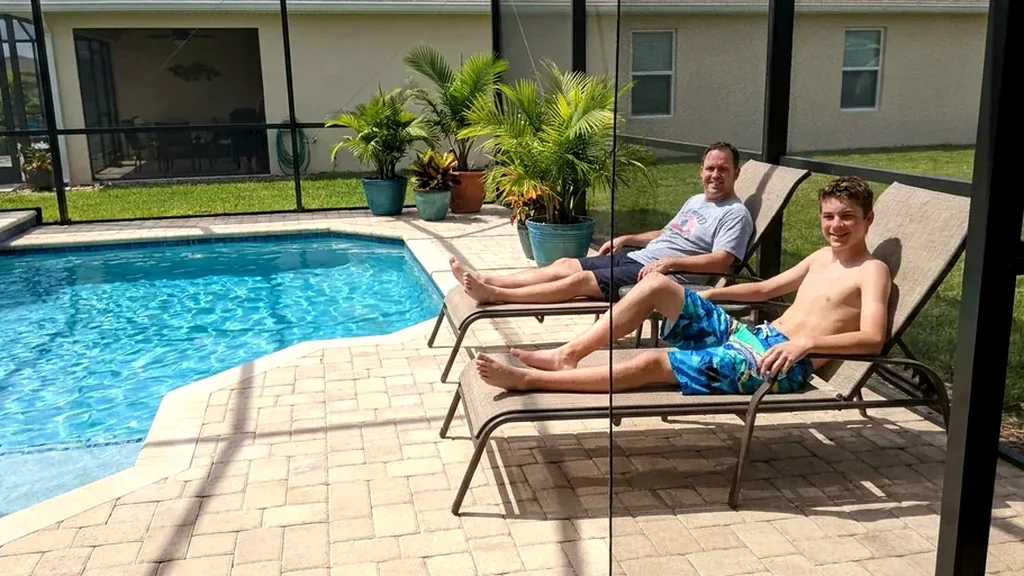
Why hire a local paver sealing contractor in San Marco?
San Marco was planned in 1925 and then built in pieces over the next two decades, so the pavers at one house rarely match the next. A local contractor who knows that mix can size up yours fast, so book your free estimate to start.
A free assessment
The contractor assesses your San Marco pavers and gives a price without charge. There is no pressure to proceed.
A benchmark for bids
Companies in Northeast Florida publish $1.75 to $3.25 per square foot for clean, sand and seal, a useful benchmark.
Respect for older materials
Old brick calls for a gentler product, and the contractor reads each surface before choosing.
Rules considered
If your home may lie in a historic district, check the city map and share what you learn.
Get Your Free Estimate in San Marco
Tell us about your pavers in San Marco.
Free, no obligation
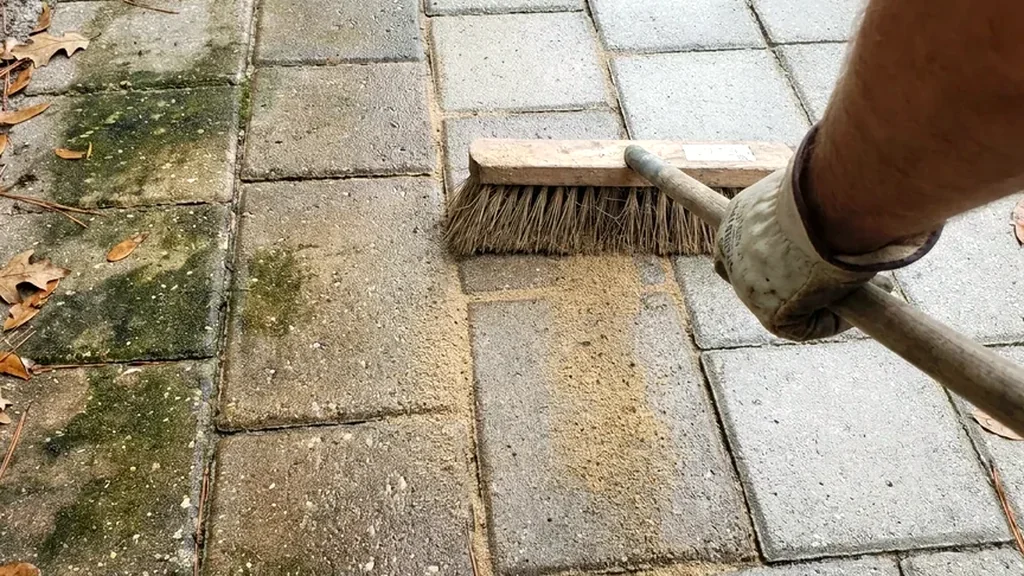
What paver problems show up most in San Marco?
Old brick that needs a gentle product
Lake Marco began as a clay pit for the Gamble and Stockton Brick Company, and brick is part of this neighborhood's story. One Northeast Florida paver company says old clay brick is usually sealed with a silane or siloxane product that keeps water out and leaves the look alone. A yard with both brick and concrete pavers needs two products. The contractor has to read each surface before choosing. A small test spot is a good way to see how a product will look before the whole surface is done. Soft old mortar between bricks is another reason to start light.
Street water that lingers
San Marco has dealt with flooding for years, and the LaSalle Street project finished in October 2026 added a pump station rated for up to 60,000 gallons a minute. Even so, News4JAX saw street flooding in San Marco on a rainy day that same week. Pavers that sat in street water keep a gray film of silt. It has to be washed off, and the surface dried, before sealer goes on. Ask the contractor to check the lowest corner of your drive or walk. A pump station helps the streets, but it does not change what your own yard does after a downpour. If water ever stood on your walk, say so at the estimate.
Different decades on one block
Few San Marco homes kept to the planned Italian Renaissance style. A mix of styles appeared in the late 1920s, and lots kept selling into the 1940s. Walks, drives and courtyards were added in different decades too. Two pavers of different ages rarely match, and one coat over a clean surface helps even them out. A walk beside the house may be the oldest piece, and a patio the newest. Homes in Alexandria Place, South Shores and Colonial Manor each carry their own history.
A coat no one wrote down
A house that is 80 or 90 years old has had many owners and many projects. Nobody may remember what was put on the pavers. Because water-based sealer cannot go over solvent-based sealer, the contractor identifies the old product before choosing a new one. A patchy, flaking or cloudy surface is the usual sign that an older product is still there. Anything you can share, such as an old bucket label or an invoice, shortens that step. Patchy sheen after a past sealing is the most common sign.
Joint sand that moves with the storms
Jacksonville gets about 52 inches of rain a year, and brief, hard downpours come from May to September. Water running over a walk carries joint sand toward the street. Open joints let soil settle in, and then weeds follow. Refilling them and sealing the surface keeps more of the sand where it belongs. Companies commonly quote two to five years between coats, so a walk that loses sand every summer may need the earlier reseal. On a shaded courtyard, sand also settles unevenly after the wash. Sweeping loose sand off a walk after the first big storm is a sign it is time.
Do I need city approval to seal pavers in San Marco?
It depends on your address. The City of Jacksonville requires a Certificate of Appropriateness for exterior work in a local historic district or on a landmark, and its examples include driveways. The city page does not mention sealing by name, so ask city staff if you are unsure. You can look up any address on the Land Development Map, then book your free estimate.
The San Marco Preservation Society was formed in 1975 to encourage historic preservation, but approvals come from the city and not from the society. Its history page says San Marco follows City Beautiful ideas, with winding streets, planted medians and larger lots. Larger lots can mean longer drives and bigger courtyards, so call (904) 637-8112 and describe your layout.
Colonial Manor and South Riverside grew up on the old Red Bank plantation, and an 1857 plantation house there is still a home. Alexandria Place and South Shores came from subdivisions platted after the Acosta Bridge opened in 1921. Each pocket has its own age, so tell the contractor which one you live in when you book your free estimate.
San Marco Square, with the San Marco Building from 1927 and the Art Deco theatre from 1938, is the commercial heart of the neighborhood. Homes within a short walk of it often have front walks that neighbors see every day. A clean, even walk makes a difference on a block like that. Call (904) 637-8112 to ask what yours would need.
What does paver sealing cost in San Marco?
In Northeast Florida the published range runs $1.75 to $3.25 per square foot to clean, sand and seal. San Marco's planned lots can run larger, which pulls the per-foot price down, while a small courtyard sits higher. Add brick or older pavers that need a gentler product, and the quote can move. To see where yours lands, book your free estimate.
Three things push a San Marco quote up: a failed old coat that must be stripped, low spots that need resetting, and tight courtyards where gear is carried by hand. Tight yards and stairs add prep time, one Jacksonville company says. A job with none of those usually sits nearer the low end. Call (904) 637-8112 and describe yours.
Quotes also reflect how a job is staged. A courtyard behind a gate takes longer to carry gear into than a front walk on the street. A home near the Square may have limited parking for a truck. Mention both when you book your free estimate, and the estimate will reflect them.
| Paved area | Typical example | Clean, sand and seal |
|---|---|---|
| 300 sq ft | Small patio or walkway | $525 to $975 |
| 600 sq ft | Two car driveway | $1,050 to $1,950 |
| 1,000 sq ft | Large driveway or pool deck | $1,750 to $3,250 |
| 1,500 sq ft | Driveway plus pool deck | $2,625 to $4,875 |
Math based on the $1.75 to $3.25 per square foot that Northeast Florida paver companies published as of November 2026. Your contractor sets the actual price after seeing the surface. Repairs, leveling and stripping failed sealer are usually extra.
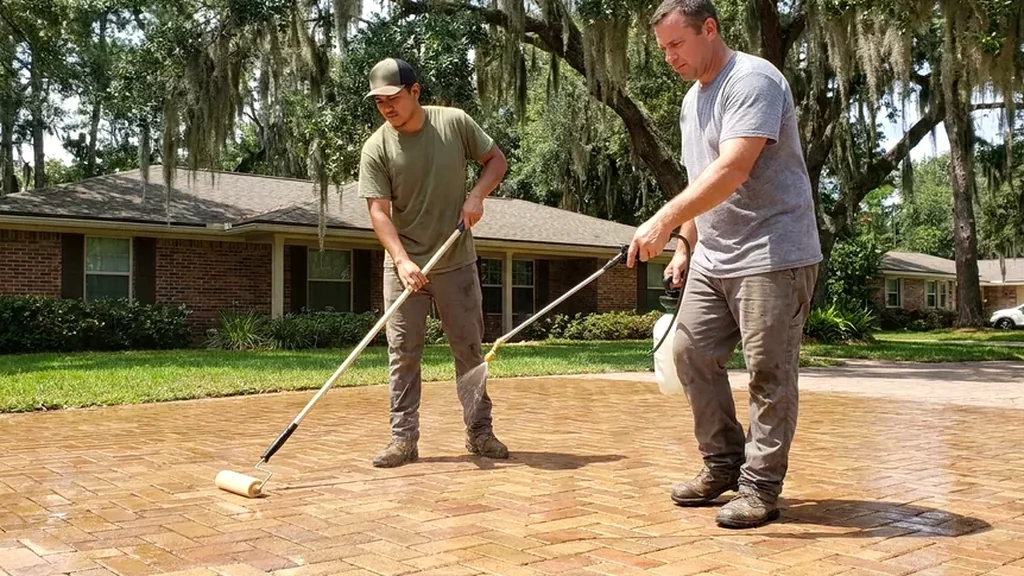
How does a paver sealing job work in San Marco?
Read the surface and check the rules
The contractor begins by asking whether the home lies in a historic district, then walks the pavers. Sunken or lifted spots are marked for repair, since sealing preserves a surface as it is. Brick and concrete are distinguished, as each takes a different product. Any earlier coat is recorded.
Wash gently, then deep clean
Old brick and soft mortar receive a lighter touch than new concrete. The wash begins gently and increases only if the surface allows. Leaf stains, oil and rust are treated first. Rinse water is kept off planting beds and old wood trim.
Refill the joints with fresh sand
Washing removes sand, so each joint is refilled and the surface swept clean. Full joints hold the pavers firmly and leave less room for weeds. Courtyards and narrow walks often accept more sand than expected. Joint depth is verified before sealing.
Wait for a fully dry surface
Brick and joints can retain moisture after the surface appears dry. The contractor checks and waits when necessary. One Jacksonville company attributes nearly every milky white sealer complaint to damp pavers or too thick a coat. A brief delay protects the finish.
Apply the product and plan the cure
Sealer is sprayed on, then back-rolled so it settles into every joint. A Jacksonville company says walking is usually fine within hours, while vehicles need about a day. The contractor names the product and the finish in writing. Companies often quote two to five years between sealer coats.
Complete paver services in San Marco
A San Marco project proceeds in sequence: the surface is read, washed, refilled with sand, allowed to dry and then sealed. The sealer is applied last so that nothing dirty is trapped beneath it. Many drives and walks conclude within a day or two, though a large courtyard may require longer. To learn how long each stage takes on yours, call (904) 637-8112.
Driveways, front walks, courtyards and rear patios each show their age differently. Brick may need a gentler wash, concrete pavers tolerate a firmer one, and shaded walks require extra drying. A plan is prepared for each surface, and you review it before work begins. List the surfaces you want treated when you book your free estimate.
The product depends on the material and on any earlier coat. Where a solvent-based sealer is already present, a water-based one cannot follow it, and old clay brick is usually sealed with a product that keeps water out and leaves the look alone. Finish is then a matter of taste, matte or wet look. Ask about both when you book your free estimate.
Scheduling follows the weather. Rain concentrates between May and September in brief, heavy storms, and sealer requires a dry surface. Shaded courtyards retain moisture, so the contractor inspects them before beginning. Call (904) 637-8112 to learn how a wet day is handled.
Questions to ask before you hire
- How can you tell whether the old sealer has to be stripped off first?
- Will the sealer make my pool deck slippery when it gets wet?
- Will rainwater still drain through the joints after the new sand and sealer go in?
- Can you seal the driveway and the pool deck on the same visit?
- Do I need to be home while you work, or can I leave the gate unlocked?
- Where does the wash water go, and how do you keep it out of the storm drain?
- Can you reset the pavers that tree roots have pushed up?
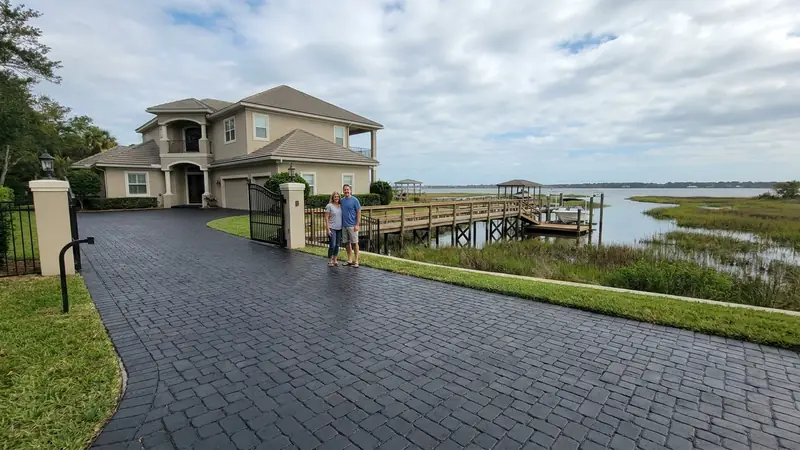
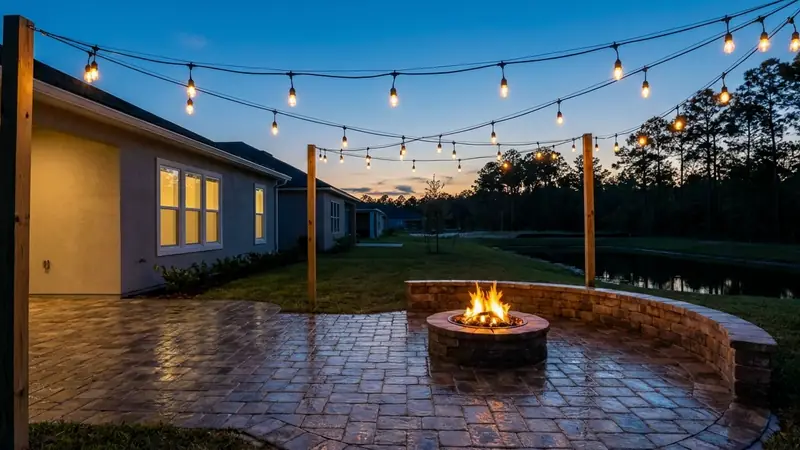
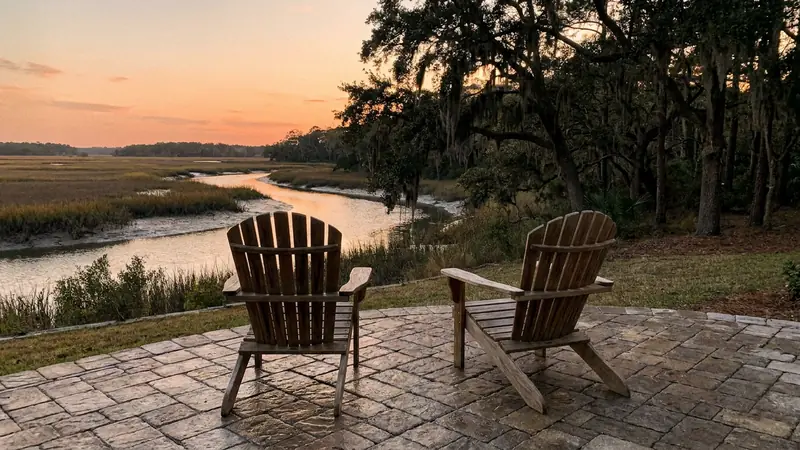
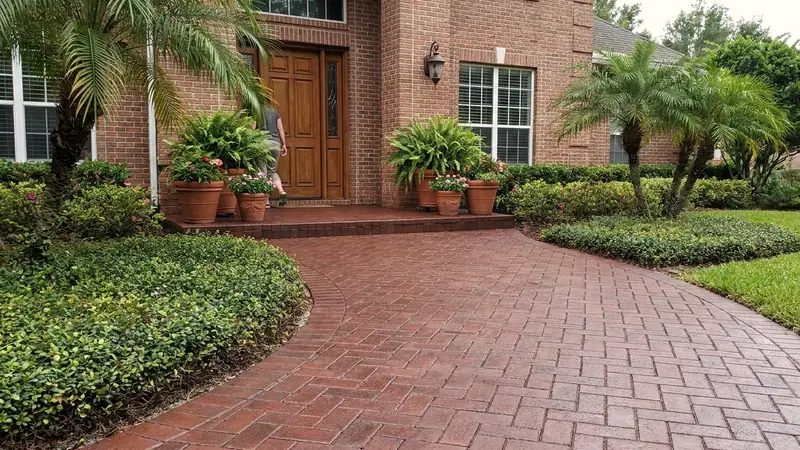
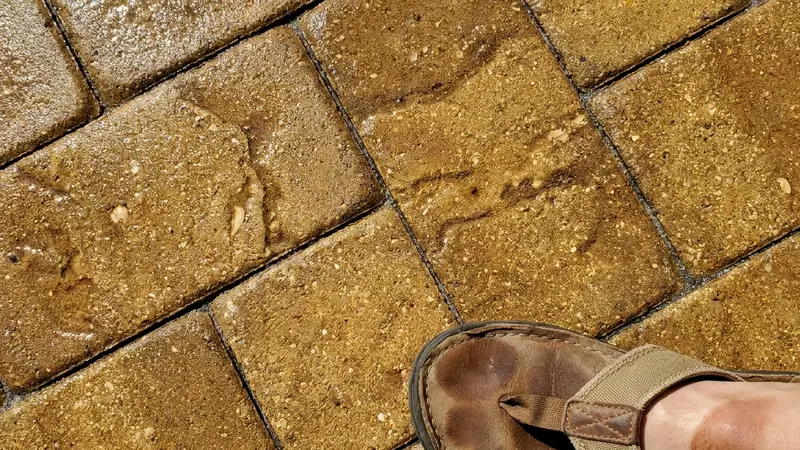
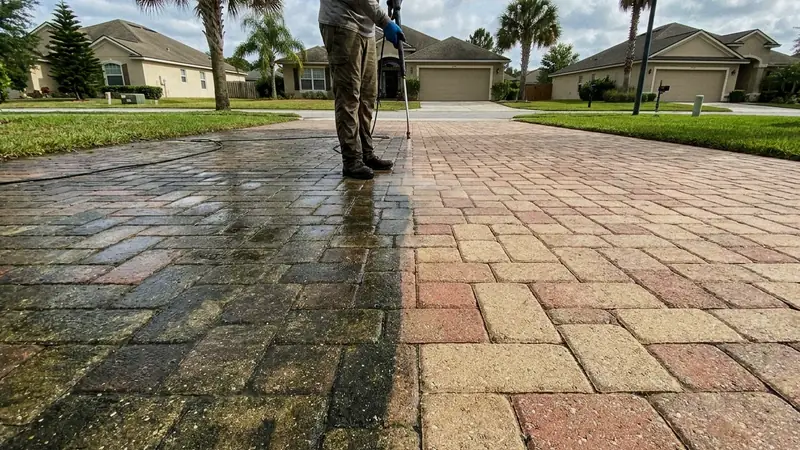
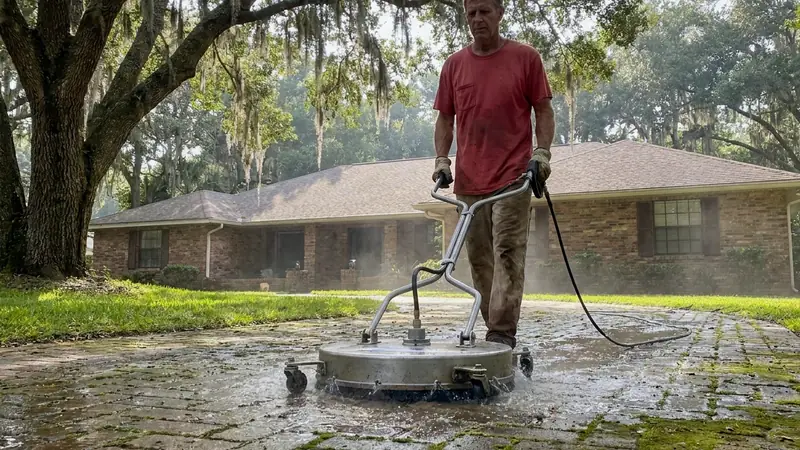
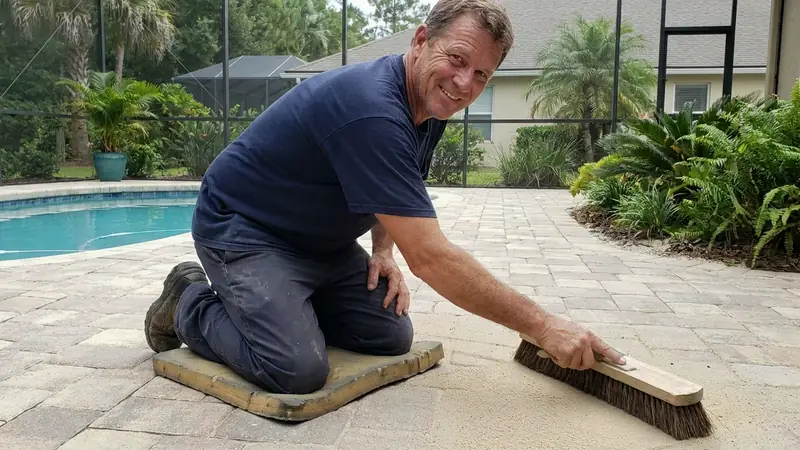
What do sealed pavers look like around San Marco?
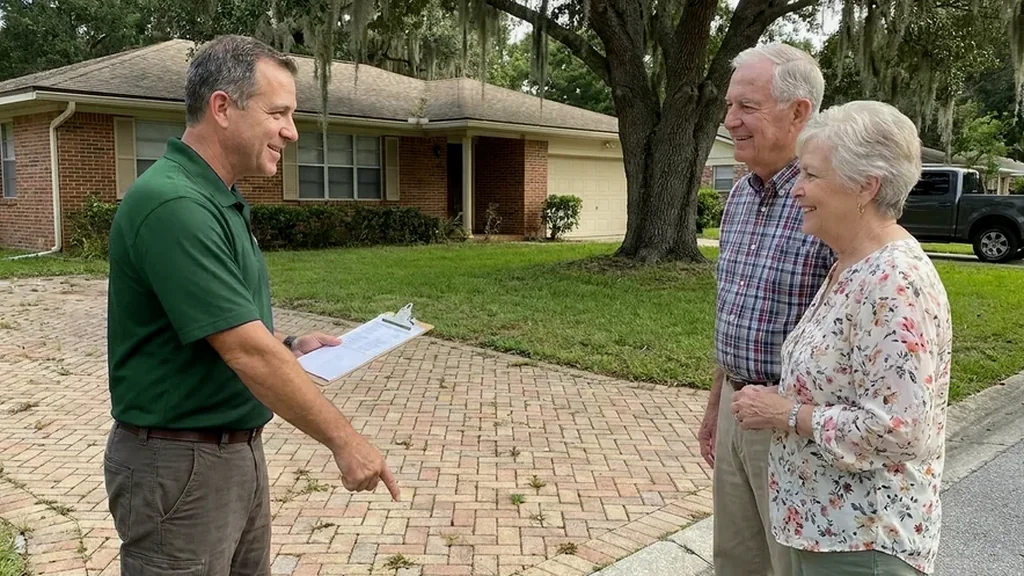
Why local matters in San Marco
A contractor who works San Marco knows that no two blocks match. A 1920s home, a 1930s home and a newer infill house can stand side by side, each with its own pavers. That knowledge shapes the wash, the product and the price, and it saves a second visit. Call (904) 637-8112 and the contractor will explain how an older San Marco house changes the plan.
Local knowledge also covers water. After heavy rain, some San Marco streets run high, and a contractor who has seen that knows to wash silt out and wait for dry joints. That patience prevents cloudy sealer and repeat work. You can book your free estimate and ask how the contractor plans around wet weather.
Older neighborhoods have rules, and a contractor who works here is used to asking about them early. If your property is in a local historic district, the city may need to approve exterior work, and a quick check saves a delay. If you are unsure, book your free estimate and mention it, so the contractor can plan around it.
How did a brickyard and a bridge shape San Marco?
Telfair Stockton began San Marco in 1925 on 80 acres of the old Villa Alexandria estate, and lots sold in a frenzy that September. Part of the land was a clay pit of the Gamble and Stockton Brick Company, which later became Lake Marco. San Marco Square followed by late 1926, inspired by a piazza in Venice. If your home sits near the lake or the Square, book your free estimate.
The Acosta Bridge opened in 1921 and spurred new development, and South Jacksonville joined the city in 1932. San Marco's lots kept selling into the 1940s, so homes here come from several decades. The San Marco Building went up in 1927 and the San Marco Theatre opened in 1938. Close to any of these places, call (904) 637-8112 and give your street name.
San Marco has fourteen parks within the preservation society's boundaries, and Treaty Oak Park on the Southbank holds one of Jacksonville's oldest live oaks. Mature trees mean shade and leaf fall over walks and drives. Safe Touch says brown tannin stains show up on drives and walks under a live-oak canopy. If your walk sits under big branches, book your free estimate.
Frequently Asked Questions
What is the average cost to seal pavers in San Marco?
In Northeast Florida the published range runs $1.75 to $3.25 per square foot to clean, sand and seal. A rough total is your square footage times that range. Failed old sealer, tight access and gentler products for old brick can raise a quote.
What are the downsides of sealing pavers in San Marco?
The principal downsides are upkeep and timing. Sealer wears down and needs a fresh coat, and a wet look shows scuffs sooner than matte does. It also requires a dry surface, which may delay a date during a wet week. None of these is a reason to skip sealing, but each is worth planning for.
How much does it cost to seal outdoor pavers in San Marco?
Plan on $1.75 to $3.25 per square foot, the range companies across Northeast Florida publish. A small courtyard falls toward the high end because setup time is spread over less surface. A wide drive tends to fall lower. Ask for the area in the quote so that you can check the figures.
How much does it cost to seal pavers in a San Marco courtyard?
The same per-foot range applies, though courtyards are often small and tight. Tight yards and stairs add prep time, one Jacksonville company says. Request the area and the per-foot price on the written quote.
Do I need city approval to seal pavers in San Marco?
It depends on your address. Jacksonville requires a Certificate of Appropriateness for exterior work in a historic district or on a landmark, and it lists driveways as an example. The page does not name sealing, so check the Land Development Map and ask city staff. The contractor can give you a written estimate to show the city.
Can old brick pavers in San Marco be sealed?
Yes, with an appropriate product. One Northeast Florida paver company says old clay brick is usually sealed with a silane or siloxane product that keeps water out and leaves the look alone. The contractor will examine the surface and any earlier coat first.
Can San Marco pavers be sealed after street flooding?
Yes, as long as they are washed first and fully dry. Flood water leaves silt and a gray film, and sealer would lock both in. The contractor washes, refills lost sand and checks the joints for moisture. A day or more of drying usually comes before the sealer.
How often should San Marco pavers be sealed?
Companies often quote two to five years between sealer coats, and one Jacksonville company says film-forming sealers are redone every 3 to 5 years. A simple test helps: water that beads means the coat is working, and water that soaks in and darkens the paver means it is done.
Ready for a Free Estimate in San Marco?
Call (904) 637-8112 and tell us about your pavers.
Free, no obligation